Hey there! I’m a supplier of interlocked switched sockets, and I’ve been in this business for quite a while. Over the years, I’ve had lots of customers asking me about the limitations of using these sockets. So, I thought I’d share my thoughts on this topic in this blog post. Interlocked Switched Socket
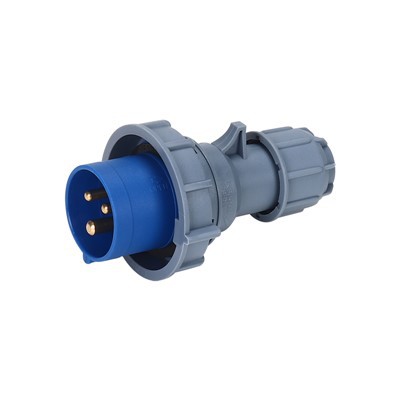
First off, let’s quickly go over what an interlocked switched socket is. It’s a socket that has a built – in switch, and the switching mechanism is interlocked. That means when you turn on or off the socket, it’s designed to prevent certain electrical hazards. For example, it can stop you from accidentally touching live parts when you’re plugging or unplugging a device.
Now, let’s talk about the limitations.
Compatibility Issues
One of the main limitations is compatibility. Not all electrical devices are a good fit for interlocked switched sockets. Some older devices, especially those with non – standard plugs, might not work properly with these sockets. You see, interlocked switched sockets are designed to work with specific plug types. If a device has a plug that’s a bit different in shape or size, it might not fit into the socket at all. Or, even if it does fit, the interlocking mechanism might not function as it should. This can lead to an unreliable connection, and in some cases, it could pose a safety risk.
For instance, I had a customer who wanted to use an old – fashioned lamp with a unique plug on an interlocked switched socket. The lamp wouldn’t fit properly, and when they forced it in, the socket’s interlocking feature got messed up. So, it’s important to check the compatibility of your devices before using them with these sockets.
Installation Complexity
Installing interlocked switched sockets can be a bit tricky. Unlike regular sockets, they have more components due to the interlocking mechanism. This means that you need to have a certain level of electrical knowledge to install them correctly. If you’re not experienced with electrical work, it’s easy to make mistakes during the installation process.
I remember a DIY enthusiast who tried to install an interlocked switched socket on their own. They didn’t follow the instructions properly, and as a result, the socket didn’t work correctly. The interlocking feature wasn’t engaging as it should, and it was a real headache to fix. So, if you’re not confident in your electrical skills, it’s best to hire a professional electrician to install these sockets.
Cost
Another limitation is the cost. Interlocked switched sockets are generally more expensive than regular sockets. This is because of the additional technology and safety features they have. The interlocking mechanism adds to the manufacturing cost, and these costs are passed on to the consumers.
For small – scale projects or for those on a tight budget, the higher cost can be a deterrent. I’ve had customers who were interested in the safety benefits of interlocked switched sockets but ended up going for regular sockets because of the price. However, it’s important to remember that the extra cost is for added safety, and in the long run, it might be worth it, especially in high – risk environments.
Limited Availability of Spare Parts
Finding spare parts for interlocked switched sockets can be a challenge. Since these sockets are more specialized than regular ones, not all hardware stores carry the necessary spare parts. If something goes wrong with the interlocking mechanism or another component of the socket, you might have to wait a long time to get the replacement part.
I had a customer whose interlocked switched socket broke down, and they couldn’t find the spare part locally. They had to order it from the manufacturer, and it took weeks to arrive. This can be a real inconvenience, especially if you rely on the socket for your daily electrical needs.
Environmental Limitations
Interlocked switched sockets might not perform well in certain environmental conditions. For example, in very humid or dusty environments, the interlocking mechanism can get clogged or corroded. This can affect the proper functioning of the socket and reduce its lifespan.
I once supplied interlocked switched sockets for a factory that had a very dusty environment. After a few months, the sockets started to malfunction because of the dust. The interlocking feature became less reliable, and some of the sockets had to be replaced. So, if you’re planning to use these sockets in harsh environmental conditions, you need to take extra precautions, like using protective covers.
Overloading Risks
Even though interlocked switched sockets have safety features, they still have a limit to the amount of electrical load they can handle. If you plug in too many high – power devices into a single socket, it can lead to overloading. This can cause the socket to overheat, and in the worst – case scenario, it could start a fire.
I’ve seen cases where customers thought that because the socket had an interlocking feature, they could plug in as many devices as they wanted. But that’s not the case. You need to be aware of the socket’s power rating and make sure you don’t exceed it.
Compatibility with Smart Home Systems
In today’s world, smart home systems are becoming more and more popular. However, interlocked switched sockets might not be fully compatible with all smart home systems. Some smart home devices rely on specific communication protocols to function, and the interlocking mechanism in the sockets can interfere with these protocols.
I had a customer who wanted to integrate their interlocked switched sockets into a smart home system. They found that the system couldn’t communicate properly with the sockets, and they had to make some adjustments. So, if you’re planning to use these sockets in a smart home setup, you need to check the compatibility first.
Despite these limitations, interlocked switched sockets still offer a lot of benefits. They provide an extra layer of safety, which is crucial in many applications. They can prevent electrical accidents and protect both people and property.

If you’re considering using interlocked switched sockets for your project, I’d be more than happy to help. Whether you have questions about compatibility, installation, or any other aspect, feel free to reach out. We can have a chat about your specific needs and see if these sockets are the right fit for you. Don’t hesitate to contact me for a procurement discussion.
Panle Mount Industrial Socket References
- Electrical Safety Standards Handbook
- Guide to Socket Installation and Maintenance
Zhejiang Hefeng Electric Co., Ltd.
Zhejiang Hefeng Electric Co., Ltd. is one of the most professional interlocked switched socket manufacturers and suppliers in China, featured by quality products and low price. Please rest assured to buy durable interlocked switched socket made in China here from our factory. Also, OEM service is available.
Address: Wenzhou Daqiao Industrail Park, Beibaixiang Town, Yueqing City, Zhejiang Province, China
E-mail: hefengplug@chinahfe.com
WebSite: https://www.hfcee.com/
