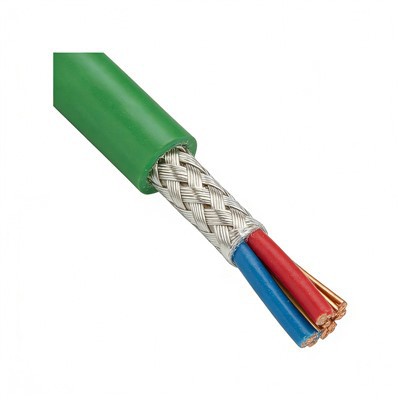
When it comes to using a sewing machine, one common question that often pops up is, "Can I use an extension cable with a sewing machine?" As an extension cable supplier, I’ve encountered this query numerous times from customers, hobbyists, and professionals in the sewing industry. In this blog, I’ll delve into the technical aspects, safety considerations, and best practices for using an extension cable with a sewing machine. Extension Cable
Understanding the Electrical Requirements of Sewing Machines
Sewing machines are electrical appliances that come in various types and models, each with its own power requirements. Most domestic sewing machines typically operate on standard household electrical outlets, which in many countries provide an alternating current (AC) of 110 – 120 volts in North America and 220 – 240 volts in Europe and other parts of the world.
The power consumption of a sewing machine can vary depending on its features, such as the number of stitches, speed settings, and additional functions like embroidery. On average, a basic sewing machine may consume around 30 – 50 watts, while more advanced models with multiple functions can use up to 100 watts or more.
It’s crucial to understand the electrical requirements of your sewing machine before using an extension cable. You can usually find this information on the machine’s user manual or on a label attached to the device itself. This will help you determine the appropriate extension cable to use and ensure safe and efficient operation.
Compatibility of Extension Cables with Sewing Machines
The good news is that, in most cases, you can use an extension cable with a sewing machine. However, it’s important to choose the right cable to avoid any potential issues. Here are some key factors to consider when selecting an extension cable for your sewing machine:
Cable Gauge
The gauge of an extension cable refers to the thickness of the wire inside the cable. A lower gauge number indicates a thicker wire, which can carry more electrical current without overheating. For sewing machines, it’s generally recommended to use an extension cable with a gauge of 16 or lower. A 16-gauge cable is suitable for most standard sewing machines with power consumption up to 100 watts. If you have a more powerful sewing machine or need to use the cable for an extended period, a 14-gauge cable may be a better choice.
Cable Length
The length of the extension cable can also affect its performance. As the length of the cable increases, the resistance in the wire also increases, which can result in a voltage drop. A significant voltage drop can cause the sewing machine to operate inefficiently or even malfunction. To minimize the voltage drop, it’s best to use the shortest extension cable possible that still allows you to position your sewing machine comfortably. If you need a longer cable, consider using a thicker gauge wire to compensate for the increased resistance.
Plug and Socket Compatibility
Make sure that the plug on the extension cable is compatible with the electrical outlet in your home and the socket on your sewing machine. In most cases, domestic sewing machines use a standard two- or three-prong plug, which should match the plug on the extension cable. If you’re using the sewing machine in a different country, you may need to use an adapter to ensure compatibility.
Safety Considerations
Using an extension cable with a sewing machine can pose some safety risks if not done correctly. Here are some important safety considerations to keep in mind:
Overloading
One of the most common safety hazards when using an extension cable is overloading. Overloading occurs when you try to draw more electrical current through the cable than it’s designed to handle. This can cause the cable to overheat, potentially leading to a fire. To avoid overloading, make sure that the total power consumption of all the devices connected to the extension cable, including the sewing machine, does not exceed the cable’s rated capacity. You can find the rated capacity of the extension cable on its label.
Insulation and Damage
Inspect the extension cable regularly for any signs of damage, such as frayed wires, cracked insulation, or loose connections. Damaged cables can pose a serious electrical hazard, including the risk of electric shock and fire. If you notice any damage, do not use the cable and replace it immediately.
Proper Use and Storage
When using the extension cable, make sure to keep it away from heat sources, water, and sharp objects. Avoid coiling the cable tightly when it’s in use, as this can cause it to overheat. When not in use, store the cable in a cool, dry place to prevent damage.
Best Practices for Using an Extension Cable with a Sewing Machine
To ensure safe and efficient operation of your sewing machine when using an extension cable, here are some best practices to follow:
Choose the Right Cable
As mentioned earlier, select an extension cable with the appropriate gauge and length for your sewing machine’s power requirements. Make sure the cable is in good condition and has the necessary safety certifications.
Use a Dedicated Circuit
If possible, use a dedicated electrical circuit for your sewing machine and extension cable. This will help prevent overloading and ensure a stable power supply.
Test the Connection
Before using the sewing machine with the extension cable, plug in the cable and test the connection. Make sure the sewing machine turns on and operates normally. If you notice any issues, such as flickering lights or unusual noises, unplug the cable immediately and check for problems.
Monitor the Temperature
Keep an eye on the temperature of the extension cable while the sewing machine is in use. If the cable feels hot to the touch, it may be a sign of overheating. In this case, stop using the machine and allow the cable to cool down. Check for any potential causes of overheating, such as overloading or a faulty cable.
Conclusion
In conclusion, using an extension cable with a sewing machine is generally safe and practical as long as you choose the right cable and follow the necessary safety precautions. By understanding the electrical requirements of your sewing machine, selecting a compatible extension cable, and following best practices, you can ensure safe and efficient operation of your sewing machine.
Twisted Pair Cable As an extension cable supplier, I’m committed to providing high-quality cables that meet the needs of our customers. Our extension cables are designed and manufactured to the highest standards of safety and performance, ensuring that you can use your sewing machine with confidence. If you’re in the market for a new extension cable for your sewing machine or have any questions about our products, I encourage you to contact us for a purchase consultation. We’re here to help you find the right solution for your needs.
References
- Various user manuals of sewing machines.
- Electrical safety guidelines provided by national and international standards organizations.
Cixi Davos Wire & Cable Co., Ltd.
As one of the most professional extension cable manufacturers and suppliers in China, we also support customized service. Please feel free to buy bulk high quality extension cable in stock here from our factory. For price consultation, contact us.
Address: No.3, Lane 91, Ruan Ding Road, Linxi Village, Xiaolin Town, Cixi City
E-mail: roy798@163.com
WebSite: https://www.cj-supplychain.com/
