Rapeseed oil and canola oil are terms that often spark confusion among consumers and chefs alike. As a supplier of cooking oils, I’ve encountered numerous inquiries about the differences and similarities between these two oils. In this blog, I’ll delve into the science behind rapeseed oil and canola oil, exploring their origins, composition, and culinary uses. Cooking Oils
Origins and History
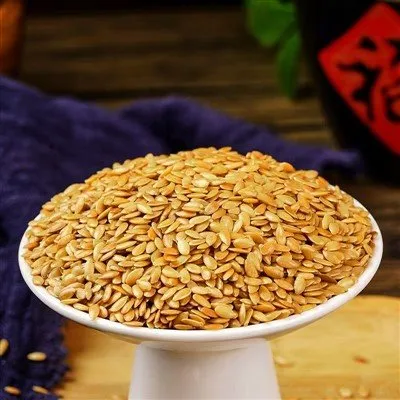
Rapeseed oil has a long history of use, dating back thousands of years. It was initially derived from the seeds of the rapeseed plant, which belongs to the Brassicaceae family. Historically, rapeseed oil was used primarily for industrial purposes, such as lubrication and fuel, due to its high erucic acid content. Erucic acid is a monounsaturated fatty acid that can be harmful in large quantities, especially to the heart.
In the 1970s, Canadian scientists developed a new variety of rapeseed through plant breeding techniques. This new variety, known as canola, had significantly lower levels of erucic acid and glucosinolates, a group of sulfur – containing compounds that can impart a bitter taste and have potential health risks. The name "canola" is a contraction of "Canadian oil, low acid," highlighting its Canadian origin and low erucic acid content.
Composition
The key difference between rapeseed oil and canola oil lies in their chemical composition. Traditional rapeseed oil contains high levels of erucic acid, typically ranging from 20% to 60%. In contrast, canola oil contains less than 2% erucic acid, making it a much safer option for human consumption.
Canola oil is rich in monounsaturated fatty acids, particularly oleic acid, which is also found in olive oil. Monounsaturated fats are considered heart – healthy as they can help lower bad cholesterol (LDL) levels and reduce the risk of heart disease. Canola oil also contains a good balance of polyunsaturated fatty acids, including omega – 3 and omega – 6 fatty acids. These essential fatty acids play a crucial role in brain function, inflammation regulation, and overall health.
Rapeseed oil, on the other hand, has a higher proportion of saturated fats compared to canola oil. Saturated fats, when consumed in excess, can contribute to high cholesterol levels and an increased risk of cardiovascular disease.
Culinary Uses
Both rapeseed oil and canola oil have a relatively neutral flavor, making them versatile for a wide range of cooking applications. Canola oil is a popular choice in the kitchen due to its high smoke point, which is around 400°F (204°C). This high smoke point makes it suitable for frying, sautéing, and baking. It doesn’t break down easily at high temperatures, which means it won’t produce harmful free radicals or impart a burnt taste to the food.
Rapeseed oil, especially the traditional variety with high erucic acid content, is less commonly used in cooking for human consumption. However, some modern rapeseed oils with lower erucic acid levels are similar to canola oil and can be used in cooking. They can be used for salad dressings, as they add a light, nutty flavor. But when it comes to high – heat cooking, canola oil is generally the preferred option.
Health Considerations
As mentioned earlier, the erucic acid content in traditional rapeseed oil is a major concern. High levels of erucic acid have been associated with heart problems in some animal studies. Although the human body can handle small amounts of erucic acid, the potential risks associated with long – term consumption of high – erucic acid rapeseed oil are a reason for caution.
Canola oil, on the other hand, has been recognized as a healthy cooking oil. Its high content of monounsaturated and polyunsaturated fats, along with its low saturated fat content, makes it a heart – healthy choice. The omega – 3 fatty acids in canola oil are beneficial for reducing inflammation in the body and supporting brain health.
Availability and Market Trends
In the global market, canola oil has gained significant popularity due to its health benefits and versatility. It is widely available in supermarkets and grocery stores around the world. Rapeseed oil, especially the low – erucic acid varieties, is also becoming more accessible, but it may not be as commonly found as canola oil in some regions.
The demand for healthy cooking oils is on the rise, and canola oil is well – positioned to meet this demand. As consumers become more health – conscious, they are actively seeking out oils that are low in saturated fats and high in beneficial fatty acids.
Quality and Sourcing
As a cooking oil supplier, I understand the importance of quality and sourcing. When it comes to canola oil, we source our products from trusted farmers who follow sustainable farming practices. We ensure that the canola seeds are grown without the use of harmful pesticides and chemicals.
For rapeseed oil, we carefully select varieties with low erucic acid content. Our oils undergo rigorous testing to ensure that they meet the highest quality standards. We also work closely with our suppliers to ensure a consistent supply of high – quality oils.
Conclusion
In conclusion, while rapeseed oil and canola oil are related, they are not the same. Canola oil is a refined and improved version of rapeseed oil, with significantly lower levels of erucic acid and a more favorable fatty acid profile. Canola oil is a healthy and versatile cooking oil that is suitable for a wide range of culinary applications.
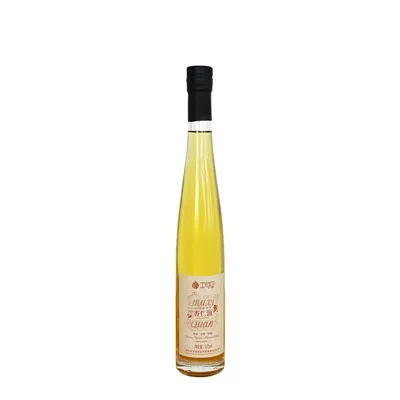
If you’re a restaurant owner, a home cook, or a food manufacturer looking for high – quality cooking oils, we can provide you with the best options. Our canola oil and low – erucic acid rapeseed oil are sourced from the finest seeds and processed to retain their nutritional value and flavor.
Cooking Oils We invite you to contact us to discuss your cooking oil needs. Whether you’re looking for bulk orders or retail packaging, we have the expertise and resources to meet your requirements. Let’s work together to bring the best cooking oils to your kitchen.
References
- World Health Organization. "Diet, Nutrition and the Prevention of Chronic Diseases."
- American Heart Association. "Fats and Cholesterol: Outsmarting Them for a Healthy Heart."
- Canadian Canola Council. "Canola Oil: A Heart – Healthy Choice."
Yuxian Whale Crocodile Biotechnology Co., Ltd.
As one of the leading cooking oils manufacturers and suppliers in China, we warmly welcome you to wholesale bulk high quality cooking oils for sale here from our factory. Good service and reasonable price are available.
Address: 200 Meters South Of Yongquanzhuang Village, Yongquanzhuang Township, Yu County, Zhangjiakou City, Hebei Province
E-mail: 15128342834@163.com
WebSite: https://www.mxqoils.com/
