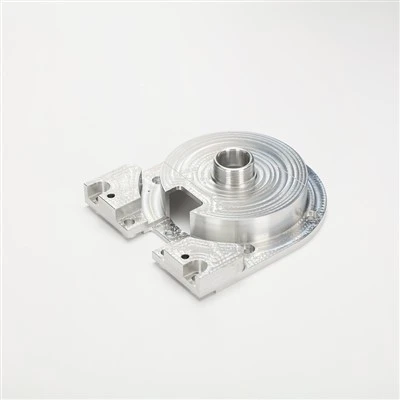
Precision metal parts play a crucial role in various industries, from aerospace and automotive to electronics and medical equipment. These parts are often subjected to demanding environments, which can lead to oxidation, a process that can significantly degrade their performance and lifespan. As a trusted supplier of precision metal parts, I understand the importance of preventing oxidation to ensure the quality and reliability of our products. In this blog post, I will share some effective strategies and best practices for preventing oxidation of precision metal parts. Precision Metal Parts
Understanding Oxidation
Before we delve into the prevention methods, it’s essential to understand what oxidation is and how it occurs. Oxidation is a chemical reaction that involves the loss of electrons by a metal in the presence of oxygen. This reaction forms metal oxides, which can accumulate on the surface of the metal and cause corrosion, discoloration, and loss of mechanical properties.
Several factors can accelerate the oxidation process, including:
- Moisture: Water is a catalyst for oxidation, as it provides a medium for the transfer of oxygen and ions. Humid environments or exposure to water can significantly increase the rate of oxidation.
- Temperature: High temperatures can accelerate the chemical reaction between the metal and oxygen, leading to faster oxidation.
- Chemical Exposure: Exposure to certain chemicals, such as acids, alkalis, and salts, can corrode the metal surface and promote oxidation.
- Mechanical Stress: Stress and deformation can create defects in the metal surface, making it more susceptible to oxidation.
Preventive Measures
1. Material Selection
The choice of metal material is the first line of defense against oxidation. Some metals are naturally more resistant to oxidation than others due to their inherent chemical properties. For example:
- Stainless Steel: Stainless steel contains chromium, which forms a thin, protective oxide layer on the surface. This layer acts as a barrier, preventing further oxidation. Austenitic stainless steels (e.g., 304 and 316) are particularly resistant to corrosion and oxidation in a wide range of environments.
- Aluminum: Aluminum forms a protective oxide layer when exposed to air. This layer is self – healing and provides good resistance to oxidation. However, in highly acidic or alkaline environments, the oxide layer may be damaged, and additional protection may be required.
- Titanium: Titanium has excellent corrosion resistance due to the formation of a stable titanium dioxide layer on its surface. It is often used in applications where high strength and oxidation resistance are required, such as aerospace and medical industries.
When selecting a metal material for precision parts, consider the operating environment, including temperature, humidity, and chemical exposure. Consult with a materials engineer or metallurgist to choose the most suitable material for your specific application.
2. Surface Treatment
Surface treatment can significantly enhance the oxidation resistance of precision metal parts. Some common surface treatment methods include:
- Plating: Electroplating involves depositing a thin layer of a noble metal, such as nickel, chromium, or gold, on the surface of the metal part. This protective layer acts as a barrier between the metal and the environment, preventing oxygen and moisture from reaching the metal surface. For example, nickel plating provides good corrosion resistance and is often used in automotive and electronics applications.
- Anodizing: Anodizing is an electrochemical process that thickens the natural oxide layer on aluminum parts. The anodized layer is porous, which can be sealed to further improve its corrosion resistance. Anodized aluminum parts are commonly used in architectural, automotive, and consumer electronics applications.
- Passivation: Passivation is a chemical process that removes free iron and other contaminants from the surface of stainless steel parts, leaving behind a more stable oxide layer. This process enhances the corrosion resistance of stainless steel, especially in aggressive environments.
- Painting and Coating: Applying a protective paint or coating to the metal surface can provide an additional layer of protection against oxidation. Epoxy, polyurethane, and enamel coatings are commonly used in industrial applications. These coatings can be formulated to resist specific chemicals, UV radiation, and environmental conditions.
3. Packaging and Storage
Proper packaging and storage are crucial for preventing oxidation during transportation and storage. Here are some guidelines to follow:
- Clean the Parts: Before packaging, clean the precision metal parts thoroughly to remove any dirt, grease, or contaminants. Use a suitable cleaning agent and follow the manufacturer’s instructions.
- Use Protective Packaging Materials: Wrap the parts in anti – tarnish paper, plastic film, or desiccant – filled bags to prevent moisture and oxygen from reaching the metal surface. For longer – term storage, consider using vacuum – sealed packaging.
- Store in a Controlled Environment: Store the parts in a cool, dry place with low humidity. Avoid storing the parts near sources of heat, moisture, or chemicals. If possible, use a climate – controlled storage facility to maintain a stable environment.
- Separate Parts: Do not stack or store parts directly on top of each other, as this can cause scratches and damage to the protective surface. Use dividers or individual compartments to keep the parts separate.
4. Handling and Maintenance
Proper handling and maintenance can also help prevent oxidation of precision metal parts. Here are some tips:
- Wear Gloves: When handling the parts, wear clean gloves to prevent the transfer of oils, sweat, and other contaminants from your hands to the metal surface.
- Avoid Scratching: Use appropriate tools and handling equipment to avoid scratching the metal surface. Scratches can damage the protective oxide layer and expose the metal to oxidation.
- Regular Inspection: Periodically inspect the parts for signs of oxidation, such as discoloration, rust, or corrosion. If any signs of oxidation are detected, take immediate action to clean and treat the parts.
- Clean and Lubricate: Clean the parts regularly using a mild cleaning agent and water. After cleaning, dry the parts thoroughly to prevent moisture from remaining on the surface. In some cases, applying a thin layer of lubricant can also help protect the metal surface from oxidation.
Conclusion
Preventing oxidation of precision metal parts is essential for ensuring their quality, performance, and longevity. By carefully selecting the right metal material, applying appropriate surface treatments, using proper packaging and storage methods, and following good handling and maintenance practices, you can significantly reduce the risk of oxidation.
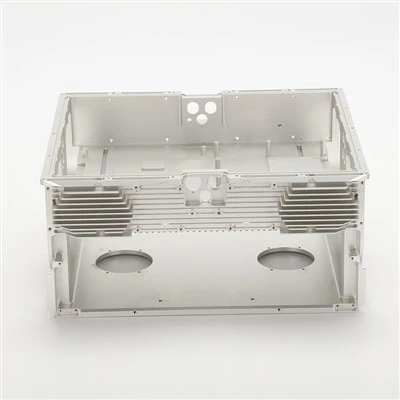
At [Company Looking to be Named], we are committed to providing high – quality precision metal parts that meet the most stringent requirements. Our team of experts can help you select the best materials and surface treatments for your specific application, ensuring that your parts are protected against oxidation and other forms of corrosion.
Plastic Products If you are in need of precision metal parts or have any questions about oxidation prevention, we encourage you to contact our sales team. We look forward to discussing your needs and working with you to find the best solutions for your project.
References
- ASM Handbook, Volume 13A: Corrosion: Fundamentals, Testing, and Protection. ASM International.
- Metals Handbook: Properties and Selection: Nonferrous Alloys and Pure Metals. ASM International.
- "Corrosion Prevention and Control in the Oil and Gas Industry" by Craig, B.S. and Anderson, D.B.
Zhejiang Hayi Technology Co., Ltd.
With abundant experience, we are one of the most professional precision metal parts manufacturers in China. We warmly welcome you to wholesale bulk precision metal parts in stock here and get quotation from our factory. All customized products are with high quality and competitive price.
Address: Room 112, 1st Floor, No. 103, Siwangdai, Pingzhai Village, Renhe Subdistrict, Yuhang District, Hangzhou City, Zhejiang Province
E-mail: 18368133797@163.com
WebSite: https://www.zhejianghayi.com/
