Hey there! I’m a supplier of protective clothing, and I often get asked this one burning question: "How long does protective clothing last?" It’s a great question, and the answer isn’t as straightforward as you might think. In this blog, I’m going to break down all the factors that affect the lifespan of protective clothing, so you can make the most out of your gear. Protective Clothing
Factors Affecting the Lifespan of Protective Clothing
Type of Protective Clothing
First off, the type of protective clothing plays a huge role. We’ve got all kinds of protective gear out there, from simple disposable coveralls to heavy-duty chemical – resistant suits.
Disposable protective clothing, like those single – use coveralls you see in hospitals or cleanrooms, is designed for one – time or very limited use. They’re usually made from lightweight, non – durable materials. Once they’ve been used, there’s a high chance they’ve been contaminated, so it’s best to just toss ’em. You can expect to use these for a single shift or a short – term job.
On the other hand, reusable protective clothing is built to last. Stuff like fire – resistant workwear or high – visibility jackets are made from tougher materials. These can last anywhere from a few months to a few years, depending on how often they’re used and how well they’re maintained.
Frequency of Use
How often you wear the protective clothing has a big impact on its lifespan. If you’re wearing it every day for a full 8 – hour shift, it’s going to wear out a lot faster than if you only use it once a month.
Let’s say you’ve got a pair of safety gloves. If you’re a mechanic and you’re using them constantly to handle tools, grease, and parts, the gloves are going to start showing signs of wear and tear in just a few weeks or months. But if you’re a DIYer who only uses them occasionally for home projects, those same gloves could last you a couple of years.
Working Conditions
The environment in which the protective clothing is used is another crucial factor. Harsh working conditions can really take a toll on the gear.
In a chemical factory, for example, where workers are constantly exposed to corrosive chemicals, chemical – resistant suits need to be replaced more frequently. Even with high – quality suits, the exposure to chemicals can break down the protective barriers over time. The same goes for jobs in extreme temperatures. Thermal protective clothing used in foundries or freezers will wear out faster due to the constant stress of heat or cold.
On the flip side, if you’re working in a relatively clean and mild environment, like an office with a small risk of spills, the protective clothing can last much longer.
Quality of the Protective Clothing
The quality of the materials and manufacturing process can’t be overlooked. High – quality protective clothing is made from better materials that are more resistant to wear, tear, and environmental factors.
Cheaper, lower – quality gear might seem like a good deal at first, but it often doesn’t last as long. For example, a well – made high – visibility vest made from high – grade fluorescent fabric and reflective tape will stay bright and visible for a longer time compared to a cheaper knock – off. The latter might start to fade and lose its reflectivity after just a few months, while the former could last a year or more.
Maintenance and Care
Proper maintenance can significantly extend the lifespan of protective clothing. This includes cleaning, storage, and inspection.
For reusable clothing, following the manufacturer’s cleaning instructions is key. Some protective clothing can be machine – washed, while others require special cleaning solutions or dry – cleaning. If you don’t clean it properly, dirt and contaminants can build up and damage the fabric or the protective layers.
Storage also matters. Storing protective clothing in a cool, dry place away from direct sunlight and chemicals will help keep it in good condition. And regular inspections are a must. Checking for holes, tears, or any signs of degradation can help you catch problems early and either repair the clothing or replace it before it becomes ineffective.
Signs that Protective Clothing Needs to be Replaced
Physical Damage
One of the most obvious signs is physical damage. Holes, tears, or frayed edges can compromise the protective properties of the clothing. For example, if you have a cut – resistant glove with a hole in it, it’s no longer going to protect your hand from sharp objects. In this case, you need to replace the glove right away.
Loss of Functionality
The clothing might look okay on the outside, but it could have lost its functionality. For instance, a water – resistant jacket that starts to soak through when it rains has lost its water – repellent properties. Or a fire – resistant suit that has been exposed to high heat for too long and has lost its flame – retardant ability. When this happens, it’s time for a replacement.
Contamination
If the protective clothing has been contaminated with hazardous substances and can’t be properly cleaned or decontaminated, it should be replaced. This is especially important in industries like healthcare and chemical manufacturing, where the risk of cross – contamination is high.
How to Make Protective Clothing Last Longer
Follow the Manufacturer’s Instructions
The manufacturer knows their product best. They provide instructions on how to use, clean, and store the protective clothing. Following these instructions to the letter can really help extend its lifespan.
Train Your Employees
If you’re an employer, make sure your employees are trained on how to properly use and care for the protective clothing. This includes how to put it on and take it off correctly, as well as how to clean and store it. A little training can go a long way in making the gear last.
Regular Inspections
Set up a regular inspection schedule. This can help you catch any issues early and take action before the clothing becomes ineffective. You can do a quick visual check before each use and a more thorough inspection on a weekly or monthly basis, depending on the frequency of use.
Conclusion
So, how long does protective clothing last? Well, it depends on a whole bunch of factors, including the type of clothing, frequency of use, working conditions, quality, and maintenance. Disposable clothing is short – lived, while reusable clothing can last from a few months to a few years. By paying attention to the signs of wear and tear, following proper maintenance procedures, and choosing high – quality gear, you can get the most out of your protective clothing.
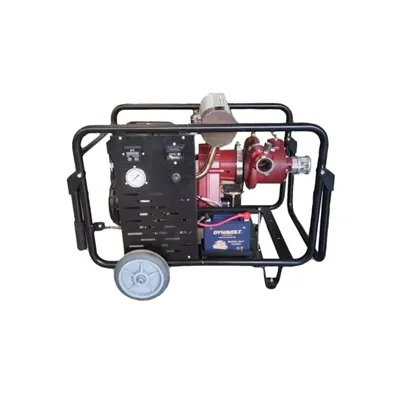
Light-duty Fire Pump If you’re in the market for high – quality protective clothing, I’m here to help. Whether you need disposable coveralls for a short – term project or long – lasting fire – resistant workwear for your industrial workforce, I’ve got a wide range of options to meet your needs. Reach out to me for a quote and let’s start a discussion about how I can supply you with the best protective clothing for your specific situation.
References
- Occupational Safety and Health Administration (OSHA) guidelines on protective clothing.
- Manufacturer’s product manuals and care instructions.
- Industry research on the durability of different types of protective clothing.
Zhenjiang Linhao Forest Fire Prevention Equipment Co., Ltd.
Zhenjiang Linhao Forest Fire Prevention Equipment Co., Ltd. is one of the most reliable manufacturers and suppliers of protective clothing in China, featured by quality products and low price. Please rest assured to wholesale customized protective clothing from our factory. Contact us for quotation and free sample.
Address: No.16,Fenghuangshan Road, Runzhou District, Zhenjiang City, Jiangsu Province
E-mail: lh@lhfirefighting.com
WebSite: https://www.lhfirefighting.com/
