Hey there! I’m a supplier of combined cleaning sieves, and I often get asked about how well these bad boys play with other equipment in the industrial cleaning and sorting game. So, I thought I’d sit down and spill the beans on what you need to know about the compatibility of a combined cleaning sieve with other machinery. Combined Cleaning Sieve
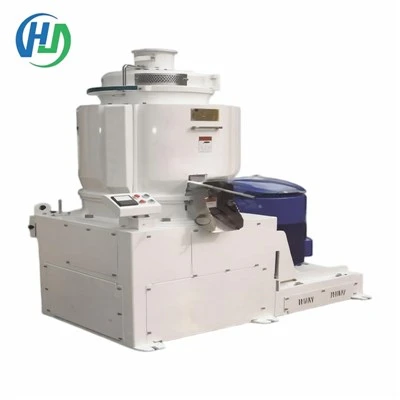
Understanding the Combined Cleaning Sieve Basics
First off, let’s quickly go over what a combined cleaning sieve does. It’s a pretty nifty piece of kit that’s designed to clean and sort different materials all in one go. Whether you’re dealing with grains, minerals, or even some types of plastics, this sieve can separate the good stuff from the bad, remove impurities, and size the particles according to your needs. It uses a combination of different screening techniques, like vibration, air flow, and gravity, to get the job done efficiently.
Now, the reason compatibility with other equipment is so important is that in most industrial settings, the combined cleaning sieve is just one part of a bigger production line. It needs to work seamlessly with other machines to ensure the whole process runs smoothly. If there are any compatibility issues, it can lead to all sorts of problems, like reduced efficiency, increased downtime, and even damage to the equipment.
Compatibility with Conveying Equipment
One of the first things you’ll need to consider is how your combined cleaning sieve will work with the conveying systems that move materials to and from it. There are different types of conveyors, like belt conveyors, screw conveyors, and pneumatic conveyors, and each has its own characteristics.
For belt conveyors, the key is to make sure the discharge height and angle of the sieve match up with the conveyor’s loading point. If the height is too different, it can cause the material to spill off the belt or not feed properly into the sieve. Also, the speed of the belt needs to be coordinated with the feeding rate of the sieve. If the belt is moving too fast, the sieve might get overloaded, and if it’s too slow, it can cause a bottleneck in the production line.
Screw conveyors are a bit different. They’re great for moving materials in a more controlled way, but they can be a bit more sensitive to the type and size of the material. The combined cleaning sieve’s discharge opening needs to be sized correctly to fit the inlet of the screw conveyor, and you need to make sure the material won’t get stuck or cause excessive wear on the conveyor’s components.
Pneumatic conveyors use air pressure to move materials, and they’re often used for handling fine powders or lightweight materials. When using a combined cleaning sieve with a pneumatic conveyor, you need to pay attention to the air flow and pressure. The sieve should be able to handle the air flow without causing excessive dust or material loss, and the conveyor should be able to keep up with the output of the sieve.
Compatibility with Drying and Cooling Equipment
In some cases, the materials that go through the combined cleaning sieve might need to be dried or cooled before or after the screening process. Drying equipment, like rotary dryers or fluidized bed dryers, can remove moisture from the materials, which can affect the screening efficiency.
When connecting a combined cleaning sieve with a dryer, you need to consider the temperature and humidity of the dried material. If the material is too hot or too dry, it can cause static electricity, which can lead to clogging of the sieve mesh. On the other hand, if the material is still too moist, it can stick to the sieve and reduce its effectiveness.
Cooling equipment, such as cooling towers or air coolers, can also be part of the process. Similar to drying, the temperature of the cooled material needs to be compatible with the sieve. If the material is too cold and brittle, it might break into smaller pieces during the screening process, which can affect the final product quality.
Compatibility with Storage and Packaging Equipment
Once the materials have been cleaned and sorted by the combined cleaning sieve, they usually need to be stored and packaged. Storage equipment, like silos or hoppers, needs to be able to handle the flow rate and volume of the screened material. The sieve’s discharge rate should match the filling rate of the storage unit to avoid overfilling or underutilization.
Packaging equipment, such as bagging machines or cartoners, also needs to be compatible with the sieve. The size and shape of the screened material can affect how it’s packaged. For example, if the material is too large or irregularly shaped, it might not fit properly into the packaging. Additionally, the speed of the packaging machine needs to be coordinated with the output of the sieve to ensure a continuous and efficient production process.
Electrical and Control System Compatibility
Another important aspect of compatibility is the electrical and control systems. Most modern industrial equipment, including combined cleaning sieves, are controlled by sophisticated electrical systems that need to communicate with each other.
The sieve’s control panel should be able to interface with the control systems of other equipment in the production line. This allows for centralized control and monitoring of the entire process. For example, if there’s a problem with the sieve, the control system should be able to send a signal to other machines to stop or adjust their operation to prevent further issues.
Also, the electrical power requirements of the sieve need to be compatible with the power supply available in the facility. If the sieve draws too much power, it can cause electrical problems, such as tripping breakers or overheating of the electrical system.
Real – World Examples of Compatibility in Action
I’ve seen firsthand how important compatibility is in real – world industrial applications. One of my clients was in the food processing industry. They were using a combined cleaning sieve to sort grains before they were processed into flour. The sieve was connected to a belt conveyor that fed the grains into the sieve and another conveyor that took the screened grains to the milling equipment.
At first, they were having problems with the grains spilling off the conveyor because the discharge height of the sieve was not properly aligned. After some adjustments, we were able to get the height and angle just right, and the material flow became much smoother.
Another client in the mining industry was using a combined cleaning sieve with a pneumatic conveyor to transport minerals. They were experiencing a lot of dust emissions and material loss due to the high – speed air flow in the conveyor. By adjusting the air flow settings and adding some additional dust collection equipment, we were able to improve the compatibility between the sieve and the conveyor, reducing dust and material loss significantly.
Conclusion
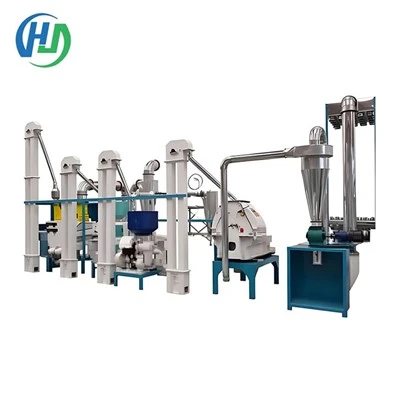
So, as you can see, the compatibility of a combined cleaning sieve with other equipment is crucial for the success of an industrial production line. It involves considering many factors, from the physical connection between the machines to the electrical and control systems.
Rice Processing Equipment If you’re in the market for a combined cleaning sieve and are worried about how it will fit into your existing production setup or a new one you’re planning, don’t hesitate to reach out. I’ve got years of experience in this field, and I can help you find the right solutions for your specific needs. Whether it’s making sure the sieve works well with your conveyors, dryers, or packaging equipment, I’m here to assist you. Let’s have a chat and see how we can make your production process more efficient and profitable.
References
- Smith, J. (2018). Industrial Screening and Sorting Technologies. Wiley.
- Johnson, A. (2019). Conveyor Systems: Design and Operation. CRC Press.
- Brown, C. (2020). Drying and Cooling in Industrial Processes. Elsevier.
Henan Huinong Machinery Co., Ltd.
Henan Huinong Machinery Co., Ltd. is one of the most professional combined cleaning sieve manufacturers and suppliers in China, featured by quality products and low price. Please rest assured to buy discount combined cleaning sieve from our factory. We also accept customized orders.
Address: No. 6, Northeast Corner of the Intersection of Renmin Road and Zhujiang Road, New District, Huaxian County, Henan Province
E-mail: frank.tang@huinongmachinery.com
WebSite: https://www.huinongmachinery.com/
