As a reliable supplier of lithium – ion battery products, I’m thrilled to share with you the fascinating world of how these powerhouses work. Lithium – ion batteries have become the cornerstone of modern technology, powering everything from our smartphones to electric vehicles. Understanding their inner workings not only deepens our appreciation for these remarkable devices but also helps consumers make informed decisions when it comes to purchasing and using them. Lithium-ion Battery Products

Basic Structure of Lithium – Ion Batteries
A lithium – ion battery consists of three main components: a cathode, an anode, and an electrolyte. The cathode is typically made of a lithium metal oxide, such as lithium cobalt oxide (LiCoO₂), lithium manganese oxide (LiMn₂O₄), or lithium iron phosphate (LiFePO₄). The anode is usually graphite, a form of carbon. The electrolyte, which sits between the cathode and anode, is a lithium – salt solution that allows lithium ions to move freely.
These components are separated by a porous separator that prevents direct contact between the cathode and anode, which could lead to a short – circuit. The battery is housed in a durable container, along with current collectors that transfer the electrons generated during the battery’s operation to the external circuit.
The Charging Process
When you plug your device into a charger, an external power source applies a voltage across the lithium – ion battery. This voltage forces the lithium ions in the cathode to detach from their compounds and move through the electrolyte towards the anode. At the same time, electrons are released from the cathode and flow through the external circuit to the anode.
In the anode, the lithium ions are intercalated (inserted) into the graphite layers. The process can be thought of as a sort of storing process, where energy is stored in the form of lithium – ion movement and electron flow. The charging process continues until the battery reaches its maximum charge capacity, and at this point, most modern chargers will automatically stop supplying power to prevent over – charging, which can damage the battery.
The Discharging Process
When you use your device, the lithium – ion battery starts to discharge. The stored lithium ions in the anode begin to move back through the electrolyte towards the cathode. As the lithium ions move, they release electrons at the anode. These electrons flow through the external circuit, providing the electrical energy needed to power your device.
The movement of lithium ions from the anode to the cathode continues until most of the lithium ions are back in the cathode, and the battery is depleted. The rate at which the battery discharges depends on the power consumption of the device. High – power devices, such as electric vehicles or high – end gaming laptops, will cause the battery to discharge more quickly than low – power devices like smartwatches.
Chemical Reactions Involved
The chemical reactions in a lithium – ion battery are complex but can be simplified for better understanding. During the charging process, at the cathode, a chemical reaction occurs where the lithium metal oxide loses lithium ions. For example, in a lithium cobalt oxide cathode:
[LiCoO₂→Li_{(1 – x)}CoO₂ + xLi⁺+xe⁻]
The released lithium ions move through the electrolyte, and the electrons flow through the external circuit. At the anode, the graphite intercalates the lithium ions:
[C₆ + xLi⁺+xe⁻→LiₓC₆]
During discharging, the reverse reactions take place. At the anode, the lithium – graphite compound releases lithium ions and electrons:
[LiₓC₆→C₆ + xLi⁺+xe⁻]
And at the cathode, the lithium ions are re – incorporated into the lithium metal oxide:
[Li_{(1 – x)}CoO₂ + xLi⁺+xe⁻→LiCoO₂]
Factors Affecting Battery Performance
Several factors can affect the performance and lifespan of lithium – ion battery products. Temperature is a crucial factor. High temperatures can accelerate the chemical reactions inside the battery, leading to faster degradation. On the other hand, low temperatures can reduce the mobility of lithium ions, decreasing the battery’s ability to deliver power.
Over – charging and over – discharging can also cause significant damage to the battery. Over – charging can lead to the formation of lithium metal deposits on the anode, which can cause short – circuits and potentially lead to thermal runaway. Over – discharging can cause irreversible damage to the cathode material, reducing the battery’s capacity.
The number of charge – discharge cycles also affects the battery’s lifespan. Each time a battery is charged and discharged, there is a small amount of degradation. As the number of cycles increases, the battery’s capacity gradually decreases, and it will hold less charge over time.
Applications of Lithium – Ion Batteries
The versatility of lithium – ion batteries makes them suitable for a wide range of applications. In the consumer electronics industry, they power smartphones, laptops, tablets, and smartwatches. Their high energy density and long cycle life make them ideal for portable devices that require a reliable power source.
In the automotive industry, lithium – ion batteries are the primary choice for electric vehicles (EVs) and hybrid electric vehicles (HEVs). They provide the high power needed for acceleration and the long – range capabilities required for daily use. The development of lithium – ion battery technology has been a key factor in the growth of the electric vehicle market.
Renewable energy storage is another important application. Lithium – ion batteries can store energy generated from solar panels or wind turbines. This stored energy can be used later when the renewable energy sources are not producing power, such as at night or during calm weather.
The Future of Lithium – Ion Batteries
Research and development in the field of lithium – ion batteries are ongoing. Scientists and engineers are constantly working to improve the energy density, safety, and lifespan of these batteries. New cathode and anode materials are being explored to increase the amount of energy that can be stored in a battery.
Solid – state lithium – ion batteries are also an area of active research. These batteries replace the liquid electrolyte with a solid electrolyte, which can potentially improve safety and energy density. Solid – state batteries are expected to be used in future electric vehicles and other high – power applications.
Why Choose Our Lithium – Ion Battery Products
As a supplier of lithium – ion battery products, we take pride in offering high – quality batteries that meet the needs of a wide range of customers. Our batteries are manufactured using advanced technology and strict quality control measures to ensure reliability and performance.
We understand the importance of safety, and our batteries are designed with multiple safety features to prevent over – charging, over – discharging, and short – circuits. We also offer a variety of battery options, including different capacities, voltages, and chemistries, to meet the specific requirements of our customers.
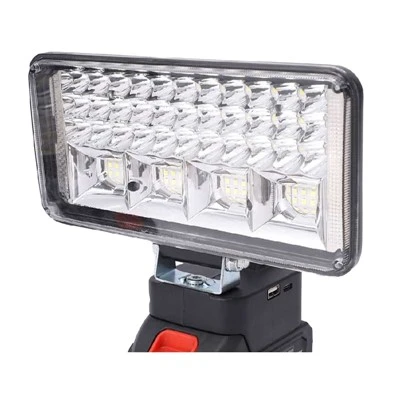
Whether you are a consumer electronics manufacturer, an automotive company, or a renewable energy provider, we have the right lithium – ion battery solution for you. Our team of experts is always available to provide technical support and advice to help you choose the best battery for your application.
Outdoor Fan If you are interested in our lithium – ion battery products, we invite you to contact us for a detailed discussion. We are eager to work with you to meet your power needs and contribute to your success.
References
- Arumugam Manthiram, "Lithium – Ion Batteries. A Look into the Future", ACS Central Science, 2017.
- John B. Goodenough, "Challenges for Rechargeable Li Batteries", Journal of the American Chemical Society, 2009.
- Linda F. Nazar, "Electrode Materials for Rechargeable Lithium Batteries", Chemical Reviews, 2004.
Yongkang Agudo Industry & Trade Co., Ltd.
As one of the most professional lithium-ion battery products manufacturers in China, we’re featured by high quality customized products. Welcome to wholesale bulk advanced lithium-ion battery products in stock here from our factory. If you have any enquiry about pricelist and free sample, please feel free to email us.
Address: 2nd Floor, Unit 2, Building 5, No. 46 Xicheng Huacheng West Road, Xicheng Subdistrict, Yongkang City, Zhejiang Province
E-mail: 15888900905@163.com
WebSite: https://www.cnagudo.com/
