Hey everyone, it’s Jake here from the moving head light squad—you know, the crew that gets your stages glitching, your club nights popping, and your corporate events looking like they just stepped out of a sci-fi flick. Lately, I’ve been getting so many DMs and emails from venue techs, event coordinators, even indie band managers asking the same thing: “Can I actually fix my moving heads when they break, or do I have to drop a grand on a new one?” Fair question, especially when you’re working on tight budgets and a broken light can derail your whole show mid-set. Spoiler alert: Most of the time, yes, you can repair them—you just need to know what you’re dealing with, and what’s worth fixing vs. tossing. Moving Head Light

First off, let’s talk about why moving heads break in the first place, because that’s half the battle. These things aren’t just static spotlights—they’re complex little robots with motors, circuits, lenses, gobos, and that big-ass lamp that’s basically their heart. The most common issues we see (and help fix) are way simpler than you’d think: blown lamps, frayed DMX cables, sticky pan/tilt motors, dusty lenses, or loose circuit board connections. I’ve seen a venue tech swap a lamp in 10 minutes and save their Saturday night set. I’ve also seen a newbie yank a pan motor and mess up the wiring because they didn’t check the basics first. The key here is to not panic, and to start with the easy stuff before jumping to “total replacement.”
Wait, but let’s get real—not every repair is DIY-friendly. If your moving head is making weird grinding noises when it pans, or the display is flashing random error codes, that’s not just a frayed cable. Those issues usually point to internal components that need to be handled with specific tools and parts, which is where our team comes in. Let’s break down the repairable stuff vs. the stuff you should leave to the pros, and what you can tackle yourself if you’re handy.
DIY fixes that actually work (no fancy degree needed): Let’s start with the big one—lamp replacement. This is the most common failure, and it’s super straightforward for most moving heads. You just have to make sure you get the exact lamp model for your unit—check the manual, or if you lost it, shoot us a pic of the label on the light housing and we’ll hook you up. Pro tip: Never touch the new lamp’s glass with your bare fingers. The oil from your skin causes hot spots that’ll blow the lamp way faster, and trust me, you don’t want that mid-gig. Grab a lint-free cloth or gloves, line up the pins, and twist it in—done. Next up: DMX cable issues. A lot of people skip checking these because the cable looks fine, but a frayed pin or a loose XLR connection can make your light freeze up, blink randomly, or not move at all. Just wiggle the cable while the light’s on (when it’s off, duh) and if it acts up, swap the cable out. We keep a stack of extra DMX cables at our warehouse because this is such a quick fix that saves people so much stress. Also, lens and gobo cleaning—dust and smudges are the silent killers of moving head output. If your light is projecting a dim or blurry beam, take the lens cover off (most slide off with a couple screws) and wipe the glass gently with lens cleaner and a microfiber cloth. No paper towels, they leave scratches. That’s a 5-minute fix that makes your light look brand new.
Now, the stuff that’s definitely not DIY. Let’s talk pan/tilt motor failures. These are the motors that make the light move left/right and up/down, and when they go, your light might get stuck in one position, make a loud grinding noise, or not move at all. Opening up the housing to mess with these motors is tricky—there are tiny gears, wiring harnesses, and calibration steps that you have to get right. Mess up the gear alignment and you’ll end up with a light that’s skewed so bad it can’t point at the stage. Then there’s circuit board issues. If your light is throwing error codes like “E03” or “E17” (those are super common for power supply or communication issues), that’s not a simple fix. The circuit boards in moving heads are custom-made, and soldering tiny components wrong can fry the whole board. We’ve seen people try to solder a circuit board and end up with a unit that won’t power on at all, which is way more expensive to fix than if they’d sent it to us first. Another one: motor driver boards, which control how the pan/tilt motors move—same thing, those are sensitive and need specialized tools to test and replace.
Wait, but what about when you should just replace the whole light instead of repairing it? That’s a question we get all the time. If a repair is going to cost 70% or more of the price of a new moving head, it’s probably worth going new, right? Especially if your light is older—like, 10+ years old. A lot of times, parts for older models are discontinued, so you can’t even get a replacement motor or lamp anymore. We see this a lot with vintage club setups that refuse to upgrade. Their moving heads are from 2010, and the only place that has parts is a guy in his garage on eBay, charging twice what the part is worth. In that case, upgrading to a newer, more energy-efficient model that’s covered by warranty is the better call. Also, if your light has had multiple repairs in the last year, it’s a sign that other components are wearing out, and you’ll probably be fixing something else soon anyway. We always tell people to weigh the cost of repair vs. the cost of a new unit, and factor in downtime—if your event is in two weeks and repairing it would take a week, maybe just get a new one, we can ship it same-day if it’s in stock.
That’s where our team comes in, by the way. We’re not just a supplier of moving heads—we have a whole repair crew that works on everything from 10-year-old model lines to brand new units that you just got and had a delivery issue with. Last month, we got a call from a festival in Texas that had 8 moving heads die an hour before they were supposed to load in. Our techs worked through the night, swapped out 3 bad pan motors, fixed 2 circuit boards, and got the rest up and running in time for the first band. We don’t just sell parts—we have the technical know-how to diagnose issues that aren’t obvious, and we use genuine OEM parts so you don’t have to worry about a repair failing a month later. We also offer customized repair quotes, so you know exactly what you’re paying before we touch your light—no hidden fees, no surprise charges.
Wait, let’s address a common myth I hear all the time: “My moving head is under warranty, so if it breaks I just send it back.” That’s true, but a lot of warranty claims have fine print—damage from misuse (like dropping the light, power surges, or using a non-approved lamp) isn’t covered. We see this all the time: someone runs a lamp that’s not the exact model they’re supposed to, it blows the ballast, and they try to file a warranty claim. Sorry, that’s user error, and that’s where our repair team can step in to fix it at a fair price, or sell you the correct replacement parts. Also, warranty repair times can be weeks—if you have a show in two weeks, you can’t wait for that. Our same-day repair service (for in-house units, obviously) is a lifesaver for event techs in a pinch.
Another thing: regular maintenance prevents most repairs. I can’t stress this enough. If you take 10 minutes every month to check your DMX cables, wipe the lens, and make sure the pan/tilt moves smoothly, you’ll cut your repair costs by like 80%. We send out free maintenance checklists with every bulk order, and our techs will walk you through a quick routine check over the phone if you’re a customer. Last year, a venue that had 50 moving heads with us did their monthly check, and caught a frayed cable that would’ve caused a total blackout during their weekly trivia night. They saved thousands and a huge hassle by just taking 10 minutes a month.
So circling back to the original question: Can moving head lights be repaired? The short answer is yes—most issues are fixable, as long as you know what you can do yourself and when to call in the pros. Blown lamps, dirty lenses, and bad cables are all DIY fixes. Motor issues, circuit boards, and calibration problems are best left to experienced techs. And if the repair cost is too high or the unit is old, it might be time for an upgrade.
If you’ve got a broken moving head lying around, or you just want to stock up on spare parts so you’re ready for the next glitch, hit us up. We don’t do hard sales pitches—we just want to help you get your lights back up and running, no matter if you’re a small bar or a big festival. Send us pics of your model, the error codes (if any), and what’s going on with it, and we’ll give you a straight answer on if it can be fixed, and what it’ll cost. We’ve got genuine parts in stock, techs standing by, and we ship fast so you don’t have to miss your next show.
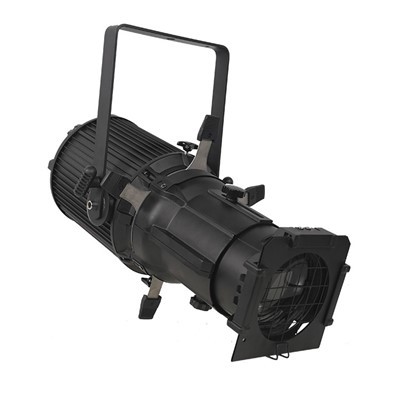
Don’t let a broken moving head ruin your event. Whether you tackle it yourself with our DIY guides, or send it to our team for a quick fix, we’ve got you covered. Reach out anytime—we’re here to keep the lights on and the show going.
Moving Head Light References:
- Professional Stage Lighting Maintenance Guide, Entertainment Technology Press
- Moving Head Light Repair Best Practices, Live Sound International Magazine
- OEM vs. Aftermarket Parts for Stage Lighting, Lighting & Sound America
Guangdong New Start Lighting Co., Ltd.
Guangdong New Start Lighting Co., Ltd. is one of the most professional moving head light manufacturers and suppliers in China. Welcome to wholesale durable moving head light in stock here and get quotation from our factory. All customized products are with high quality and competitive price.
Address: No.2, Hubin Road, Jiaoxin Village, Shimen Street, Baiyun District, Guangzhou, Guangdong, China
E-mail: newstartkate@gmail.com
WebSite: https://www.newstartlighting.com/
