If you’ve ever had to direct traffic, set up a work zone, or navigate a temporary road closure, you’ve likely noticed those bright orange traffic cones popping up everywhere. As a supplier of these cones for over a decade, I hear one question more than any other from fleet managers, construction foremen, and municipal public works directors: Do orange traffic cones have a warranty? Orange Traffic Cones
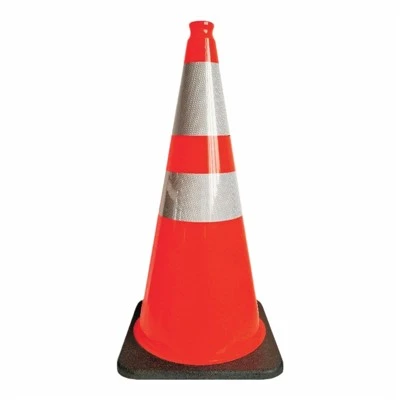
It’s a fair question. When you’re spending money on supplies that will sit outside in rain, freeze in snow, get run over by occasional wayward cars, and dragged across gravel and asphalt, you want to know you’re covered if something goes wrong. The short answer is yes—but it’s not a one-size-fits-all policy. The details depend on what the cone is made of, how it’s going to be used, and who you’re buying it from, which is why I’ve spent years making sure my customers understand exactly what they’re getting.
Let’s start with the basics: not all orange traffic cones are created equal. When I first got into this business 12 years ago, I made the mistake of stocking cheap, thin plastic cones that cost me almost nothing upfront. A customer bought a pallet of them for a small paving job, and within two weeks half the cones had cracked along the base when a utility truck backed over them. That’s when I realized: a warranty only matters if the product it’s covering is built to last. Today, every cone I supply is made from high-density polyethylene (HDPE)—the same rigid, flexible plastic used in playground equipment and storage bins that’s designed to hold up to extreme temperatures and impact. I also add a 2-inch wide reflective strip to every cone, using industrial-grade adhesive that doesn’t peel off after months of sun and salt exposure, because visibility is just as important as durability.
So what does our warranty actually cover? First, let’s outline what it doesn’t. This isn’t a “we’ll replace your cone for life if you drop it” kind of policy. We don’t cover intentional damage—if a customer runs over a cone on purpose, or uses it to prop open a gate or hold down a tarp, that’s not our responsibility. We also don’t cover cones lost to theft or improper storage (leaving a bunch of cones out in a field over winter, for example, where animals can knock them over and frost can crack them). What we do cover is defects in materials or workmanship. If a cone cracks, breaks, or loses its reflective strip within two years of purchase, we’ll replace it for free—no fine print, no hoops to jump through. That means even if you run over it accidentally during a work zone setup, if the plastic splits instead of bending, that’s a defect we cover.
I should also mention that some suppliers try to confuse customers with different warranty lengths for different cone sizes. For example, a tiny 6-inch cone for event traffic might only have a 90-day warranty, while a 28-inch or 36-inch cone for road construction has a longer one. I’ve standardized our warranty across all our standard-sized work zone cones, from 18 inches up to 42 inches, because I build all of them to the same tough specs. The small event cones? Those are a different product, designed for temporary use, so their warranty is shorter, and I’m upfront about that with anyone who buys them.
Why two years? That’s based on real-world data from the thousands of cones we’ve sold over the years. I track every sale, and every return, and after talking to hundreds of customers, I’ve learned that for the average work zone cone that’s used regularly, two years is about when normal wear and tear starts to show—like slight fading of the orange color, or minor scuffs that don’t affect performance. If a cone is failing before two years, that’s not normal wear—that’s a problem with the material, and we own that. I once had a city public works director call me three months after buying a pallet of cones, upset because several had cracked in a particularly harsh winter. He’d bought them from another supplier before, and they’d told him the cold was “normal wear” and refused to help. I inspected the damaged cones: their plastic was thin, and the reflective strips were glued on with cheap adhesive that broke down in -20°F temperatures. Ours, by contrast, use HDPE formulated to handle temperatures as low as -40°F, so that problem never happens with our cones.
Of course, warranty is only one part of the equation. A good supplier will back up their product, but they’ll also help you choose the right cone for your job in the first place. For example, if a customer comes to me needing cones for a 6-month highway construction project, I’ll recommend our heaviest-duty 42-inch cones, which weigh 12 pounds and are designed to stay upright even in 30 mph winds. If they’re just needing cones for a weekend festival parking lot, I’ll suggest the lighter, more affordable 18-inch cones, because they’re easier to move around and still meet safety standards. Matching the cone to the use case is the best way to avoid needing a warranty in the first place, and that’s the service I pride myself on—no pushy sales pitches, just honest advice.
I also want to clear up a common misconception about traffic cone warranties: some people think that if a cone gets run over, it’s automatically not covered. That’s not true. If our cone bends when hit by a car, then pops back into shape, that’s normal. If it shatters into pieces, that’s a defect, and that’s what we cover. Last year, a contractor called me in a panic because a semi-truck had hit three of our cones on a rural road job, and they’d all cracked in half. He’d bought them from me six months earlier, well within the warranty window, so I shipped out replacements the next day, no questions asked. He told me that had never happened with the cheap cones he’d bought from a big-box supply store before, which either cracked immediately when hit or didn’t crack at all—instead, they’d just scuffed up so bad you couldn’t see the reflective strips.
Another thing to note: we don’t require customers to send back old cones to get a replacement. I know work zones are busy, and no one has time to pack up broken cones and ship them across the country. If you file a claim, all you need to do is send a photo of the damaged cones, and a copy of your original purchase order, and we’ll send the replacements right out. It’s a small detail, but it makes a big difference when someone’s in a pinch.
Now, I know some of you are probably wondering: why don’t more suppliers offer this kind of transparent warranty? Because it’s expensive. Using high-grade HDPE, industrial adhesive, and testing every batch of cones for impact resistance costs more money than cutting corners on cheap plastic. But I’d rather lose a little profit on replacements than lose a customer. I’ve built this business on repeat customers—cities that come back every year for their road supplies, contractors that call me for all their traffic control needs, event planners that trust me for their parking cones. If I only sold a one-time product, I’d cut corners on the warranty. But I’m in this for the long haul, and that means standing behind every cone I sell.
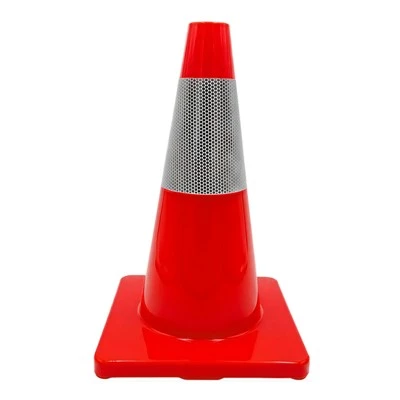
If you’re in the market for orange traffic cones, whether you’re a small contractor needing a few dozen for a residential project or a municipal fleet needing thousands for annual road repairs, don’t settle for a warranty that’s just fine print on a receipt. Ask your supplier what their warranty covers, what materials they use, and how they handle claims. I’m always happy to answer questions—whether you’re wondering about durability, warranty terms, or just which cone size is right for your job. We can work together to build a plan that fits your needs, no hidden fees, no fine print.
Orange Traffic Cones References:
- Federal Highway Administration. (2020). Manual on Uniform Traffic Control Devices (MUTCD) for Streets and Highways. U.S. Department of Transportation.
- American Society for Testing and Materials. (2018). Standard Specification for Flexible Pavement Markers and Temporary Traffic Control Devices. ASTM International.
- National Institute for Occupational Safety and Health. (2021). Workplace Safety Guidelines for Road Construction and Maintenance. Centers for Disease Control and Prevention.
- Plastics Industry Association. (2022). High-Density Polyethylene Applications for Outdoor Traffic Control Equipment. Plastics Industry Association.
Taizhou Savimold Co., Ltd.
We are one of the most experienced orange traffic cones manufacturers and suppliers in China. With a professional production team, we offer a wide range of products with superior quality. Please feel free to buy customized orange traffic cones at competitive price from our factory. Welcome to contact us for quotation.
Address: No.227, Xindajie, Xinqiao Town, Luqiao District, Taizhou City, Zhejiang Province
E-mail: tzsavi@163.com
WebSite: https://www.smttraffic.com/
