Hey there! I’m a supplier of Energy Recovery Ventilators (ERVs), and I often get asked about the maintenance these machines need. So, I thought I’d write this blog to share some insights on what kind of maintenance an Energy Recovery Ventilator requires. Energy Recovery Ventilator
First off, let’s understand what an ERV does. An Energy Recovery Ventilator is a device that exchanges heat and moisture between the incoming fresh air and the outgoing stale air. This helps in maintaining a comfortable indoor environment while also saving energy. But like any other equipment, ERVs need regular maintenance to keep them running efficiently.
Filter Maintenance
One of the most crucial aspects of ERV maintenance is filter cleaning and replacement. Filters play a vital role in trapping dust, pollen, and other airborne particles, preventing them from entering your indoor space. Over time, these filters can get clogged, which restricts the airflow and reduces the efficiency of the ERV.
I usually recommend checking the filters every month. If they look dirty or clogged, it’s time to clean or replace them. Cleaning the filters is easy—just remove them from the ERV and vacuum them gently to get rid of the accumulated dust. You can also wash them with mild soap and water, but make sure they’re completely dry before reinstalling them.
As for replacement, it depends on how often you use your ERV and the air quality in your area. In general, I suggest replacing the filters every three to six months. However, if you live in a dusty or polluted area, you might need to replace them more frequently.
Coil Cleaning
The coils in an ERV are responsible for transferring heat and moisture between the incoming and outgoing air streams. Over time, these coils can accumulate dirt, dust, and debris, which can affect their performance. That’s why it’s important to clean the coils regularly.
I recommend cleaning the coils at least once a year. You can use a soft brush or a vacuum cleaner to remove the loose dirt and debris from the coils. For a more thorough cleaning, you can use a coil cleaner solution. Just make sure to follow the manufacturer’s instructions when using the cleaner. After cleaning, rinse the coils with water and let them dry completely before reassembling the ERV.
Drainage System Maintenance
The drainage system in an ERV is designed to remove the condensate that forms during the heat and moisture exchange process. If the drainage system gets clogged, it can lead to water leakage and damage to the ERV.
To keep the drainage system in good working condition, you should check it regularly for any blockages. You can do this by inspecting the drain pan and the drain line for any signs of dirt, debris, or mold. If you notice any blockages, you can use a wet/dry vacuum to remove the debris from the drain pan and the drain line. You can also use a pipe cleaner or a small brush to clean the drain line.
In addition to regular checks, I recommend flushing the drainage system with a mixture of water and vinegar every six months. This helps to prevent the growth of mold and bacteria in the drainage system.
Belt and Motor Inspection
The belts and motors in an ERV are responsible for driving the fans and the ventilation system. Over time, these belts can wear out, and the motors can develop problems. That’s why it’s important to inspect the belts and motors regularly.
I suggest inspecting the belts every three to six months. Look for any signs of wear and tear, such as cracks, fraying, or stretching. If you notice any issues with the belts, it’s important to replace them immediately. You can usually find replacement belts at your local hardware store or from the manufacturer of your ERV.
As for the motors, it’s a good idea to have them inspected by a professional technician at least once a year. A technician can check the motor’s performance, lubricate the bearings, and make any necessary adjustments to ensure that the motor is running smoothly.
Seals and Gaskets Inspection
The seals and gaskets in an ERV are used to prevent air leakage and ensure that the heat and moisture exchange process is efficient. Over time, these seals and gaskets can wear out, which can lead to air leakage and reduced efficiency.
I recommend inspecting the seals and gaskets every six months. Look for any signs of wear and tear, such as cracks, gaps, or deterioration. If you notice any issues with the seals and gaskets, it’s important to replace them immediately. You can usually find replacement seals and gaskets at your local hardware store or from the manufacturer of your ERV.
Regular Maintenance Schedule
To keep your ERV operating at its best, it’s important to establish a regular maintenance schedule. I suggest creating a checklist of all the maintenance tasks that need to be done and setting reminders for each task. This will help you stay on top of the maintenance and ensure that your ERV is always in good working condition.
Here’s a sample maintenance schedule that you can follow:
- Monthly: Check and clean the filters.
- Quarterly: Inspect the belts and motors.
- Semi-annually: Clean the coils, flush the drainage system, and inspect the seals and gaskets.
- Annually: Have the ERV serviced by a professional technician.
Benefits of Regular Maintenance
Regular maintenance of your ERV offers several benefits. First and foremost, it helps to ensure that the ERV is operating efficiently, which can save you money on your energy bills. A well-maintained ERV can also improve the indoor air quality by removing dust, pollen, and other airborne particles.

In addition, regular maintenance can extend the lifespan of your ERV. By catching and fixing small problems early on, you can prevent them from turning into major issues that could require expensive repairs or even replacement of the ERV.
Contact Us for Your ERV Purchase
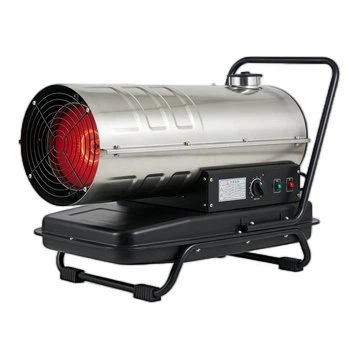
Fan Heater If you’re in the market for an Energy Recovery Ventilator or need help with the maintenance of your existing ERV, don’t hesitate to reach out. We’re here to provide you with high – quality ERVs and expert advice on maintenance. Whether you have a small residential space or a large commercial building, we’ve got the right solution for you. Let’s start a conversation about how we can meet your ventilation needs.
References
- ASHRAE Handbook: HVAC Systems and Equipment. This provides comprehensive guidelines on the operation and maintenance of various HVAC equipment, including ERVs.
- Manufacturer’s manuals of different Energy Recovery Ventilator models. These manuals offer specific maintenance instructions and schedules for each product.
Shengzhou Geeking Electric Appliance Technology Co., Ltd.
We’re well-known as one of the leading energy recovery ventilator manufacturers and suppliers in China. With abundant experience, we warmly welcome you to buy bulk discount energy recovery ventilator in stock here and get free sample from our factory. Quality products and low price are available.
Address: No. 19, Putian Avenue, Pukou Subdistrict, Shengzhou City
E-mail: 13588516010@163.com
WebSite: https://www.geekingfan.com/
