Enamel-coated stockpots have become a popular choice in kitchens around the world, prized for their vibrant colors, smooth surfaces, and the ability to distribute heat evenly. As a stockpot supplier, I often encounter questions from customers about the safety of these cookware items. In this blog post, I’ll delve deep into the various aspects of enamel-coated stockpot safety, drawing on scientific knowledge and industry experience. Stockpot

Composition of Enamel-Coated Stockpots
To understand the safety of enamel-coated stockpots, we first need to look at what they are made of. The base of an enamel-coated stockpot is typically made of metal, such as cast iron or steel. Cast iron is a common choice because it has excellent heat retention and distribution properties. The enamel coating, on the other hand, is a glass-like substance that is fused to the metal base at high temperatures.
The enamel coating is composed mainly of silica, along with various metal oxides and other additives that give it color and enhance its durability. The manufacturing process ensures that the enamel forms a strong, adherent layer on the metal, which serves not only as a decorative element but also as a protective barrier between the food and the metal.
Chemical Safety Concerns
One of the primary questions consumers have about enamel-coated stockpots is whether the enamel coating can leach harmful chemicals into food. The good news is that, when used properly, modern enamel coatings are generally considered safe.
The enamel used in high-quality cookware is formulated to be non-toxic and inert. Silica, the main component of enamel, is a naturally occurring substance that is chemically stable and does not react easily with food. The metal oxides used to create color in the enamel are carefully selected to ensure that they are also safe for food contact.
However, it’s important to note that not all enamel-coated stockpots are created equal. There have been cases in the past where some low-quality enamel coatings contained harmful substances such as lead or cadmium. Lead and cadmium can be toxic, especially if ingested over a long period of time. To avoid these risks, it’s crucial to purchase enamel-coated stockpots from reputable suppliers who comply with strict safety standards.
In many countries, there are regulations in place that limit the amount of lead and cadmium that can be present in cookware. For example, in the United States, the Food and Drug Administration (FDA) has established strict limits for lead and cadmium in food-contact materials. Reputable stockpot manufacturers test their products to ensure that they meet these safety standards.
Physical Safety Considerations
In addition to chemical safety, there are also physical safety considerations when using enamel-coated stockpots. One of the main concerns is the durability of the enamel coating. If the enamel coating chips or cracks, it can expose the underlying metal to food, which may lead to issues such as rusting or increased risk of metal leaching.
To prevent chipping and cracking, it’s important to handle enamel-coated stockpots with care. Avoid using metal utensils on the enamel surface, as they can scratch and damage the coating. Instead, use wooden, silicone, or nylon utensils. Also, be careful not to drop or bang the stockpot against hard surfaces, as this can cause the enamel to chip.
Another physical safety aspect is the heat resistance of the enamel coating. Enamel-coated stockpots are generally designed to withstand high temperatures, but it’s important to follow the manufacturer’s instructions regarding maximum heat settings. Overheating the stockpot can cause the enamel to crack or blister, which can compromise its safety and performance.
Safety in Different Cooking Situations
Enamel-coated stockpots are versatile cookware items that can be used for a variety of cooking methods, including stovetop cooking, oven baking, and even slow cooking. However, the safety of the stockpot may vary depending on the cooking situation.
When using an enamel-coated stockpot on the stovetop, it’s important to use a medium to low heat setting, especially when cooking acidic foods. Acidic foods, such as tomatoes or citrus fruits, can react with the metal base if the enamel coating is damaged. By using a lower heat setting, you can reduce the risk of any potential chemical reactions.
In the oven, enamel-coated stockpots are generally safe to use up to a certain temperature, which is usually specified by the manufacturer. However, it’s important to note that sudden temperature changes can cause the enamel to crack. So, when removing a hot stockpot from the oven, make sure to place it on a heat-resistant surface and avoid placing it in cold water immediately.
Testing and Quality Assurance
As a stockpot supplier, I am committed to ensuring the safety and quality of the products I offer. We work closely with our manufacturers to ensure that all our enamel-coated stockpots are tested thoroughly before they reach the market.
Our manufacturers conduct a series of tests, including chemical analysis to check for the presence of harmful substances, and physical tests to assess the durability and heat resistance of the enamel coating. We also require our manufacturers to provide us with certificates of compliance, which confirm that the products meet all relevant safety standards.
Conclusion
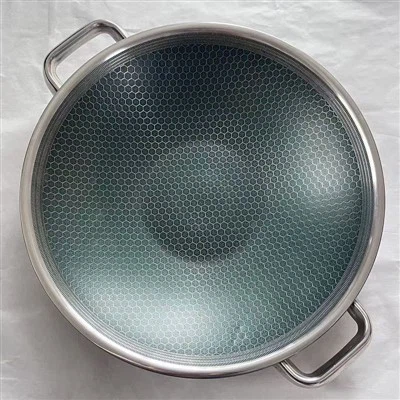
In conclusion, enamel-coated stockpots are generally safe to use when purchased from a reputable supplier and used properly. The enamel coating provides a non-toxic and durable barrier between the food and the metal base, and modern manufacturing processes ensure that the coatings are free from harmful chemicals. However, it’s important to handle enamel-coated stockpots with care to prevent chipping and cracking, and to follow the manufacturer’s instructions regarding heat settings and cleaning.
Wok If you’re in the market for high-quality enamel-coated stockpots, I invite you to reach out to discuss your purchasing needs. Whether you’re a professional chef, a restaurant owner, or a home cook looking to upgrade your kitchenware, we have a wide range of stockpots to choose from. Our team is ready to provide you with detailed information about our products and to assist you in making the right choice for your cooking needs.
References
- Food and Drug Administration (FDA). "Regulations for Food Contact Substances."
- International Organization for Standardization (ISO). "Standards for Cookware Safety."
- Scientific studies on the chemical composition and safety of enamel coatings in cookware.
Zhejiang Nanyue Kitchenware Co., Ltd.
We’re well-known as one of the leading stockpot manufacturers and suppliers in China, also support customized service. Please feel free to buy high quality stockpot made in China here and get pricelist from our factory. For price consultation, contact us.
Address: Located inside Zhejiang Jialiyuan Industry and Trade Co., Ltd. (Nanyue Kitchenware) in Jiangbin Industrial Zone, Tongqin Town, Wuyi County, Zhejiang Province.
E-mail: nanyuekitchenware@zj-jlypans.com
WebSite: https://www.nanyuecook.com/
