What is the chemical composition of Formwork Tekko Clips?
As a dedicated supplier of Formwork Tekko Clips, I’ve received numerous inquiries about their chemical composition. It’s a fundamental question that reflects the growing demand for in – depth knowledge about industrial products. In this blog, I will delve into the chemical make – up of Formwork Tekko Clips, explore how it impacts their performance, and why these details matter to you as a customer. Formwork Tekko Clips
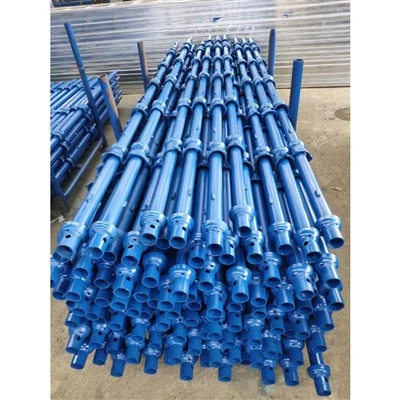
Basic Chemical Elements in Formwork Tekko Clips
Formwork Tekko Clips are typically made from certain types of metals, mainly steel. The main chemical elements found in the steel used for these clips are iron (Fe), carbon (C), and a series of alloying elements.
Iron (Fe)
Iron is the base metal in the production of Formwork Tekko Clips. It forms the structural matrix of the clips, providing the fundamental strength and ductility. Its high abundance and relatively low cost make it an ideal choice for large – scale manufacturing. In pure form, iron has a crystal lattice structure that can be worked upon to develop different mechanical properties. When it comes to the clips, the iron content often makes up the majority of the chemical composition, usually more than 90%.
Carbon (C)
Carbon is a crucial alloying element in steel. The addition of carbon significantly enhances the hardness and strength of the steel. In the case of Formwork Tekko Clips, a small percentage of carbon, typically ranging from 0.15% to 0.35%, is added. The presence of carbon affects the steel’s grain structure. During the manufacturing process, carbon atoms can fit into the iron lattice, creating a stronger and more rigid structure. However, too much carbon can make the steel brittle, which is why the content is carefully controlled to strike a balance between strength and ductility.
Alloying Elements
Apart from iron and carbon, other alloying elements are also added to the steel used in Formwork Tekko Clips to achieve specific properties.
- Manganese (Mn): Manganese is commonly added to steel in the range of 0.5% – 1.5%. It helps in deoxidizing the steel during the melting process and also improves the strength and toughness. Manganese combines with sulfur in the steel to form manganese sulfide, which reduces the harmful effects of sulfur and improves the steel’s machinability.
- Silicon (Si): Silicon is present in small amounts, usually less than 0.5%. It acts as a deoxidizer and also increases the strength and hardness of the steel. Silicon helps in the formation of a more uniform and fine – grained structure in the steel, enhancing its mechanical properties.
- Sulfur (S) and Phosphorus (P): These are considered impurities in steel. However, they are present in trace amounts, typically less than 0.05%. Sulfur can make the steel hot – short, which means it becomes brittle at high temperatures during processing. Phosphorus, on the other hand, can increase the brittleness of the steel, especially at low temperatures. Therefore, strict control is exercised to keep their levels as low as possible.
Impact of Chemical Composition on Performance
Strength and Durability
The chemical composition directly influences the strength and durability of Formwork Tekko Clips. The combination of iron and carbon, along with the alloying elements, gives the clips the necessary strength to withstand the loads and stresses during the formwork construction process. The appropriate carbon content, along with the contribution of manganese and silicon, ensures that the clips can hold heavy concrete structures in place without deforming or breaking. This is crucial as any failure of the clips can lead to accidents on the construction site and potential damage to the formwork and the poured concrete.
Corrosion Resistance
Although the steel used in Formwork Tekko Clips is not highly corrosion – resistant in its raw form, the presence of certain elements can provide some level of protection. For example, a small amount of chromium or nickel can be added to the steel composition in some cases to enhance corrosion resistance. However, in most standard applications, protective coatings are often applied to the clips to further improve their resistance to rust and corrosion. This is important because formwork is often used in various environmental conditions, including wet and humid sites, and corrosion can significantly reduce the lifespan of the clips.
Machinability
The chemical composition also affects the machinability of the steel used to make the clips. A well – balanced composition with appropriate levels of alloying elements ensures that the steel can be easily cut, shaped, and processed into the final form of the clips. For instance, the addition of manganese helps in reducing the friction during machining operations, which improves the efficiency of production and the quality of the final product.
Why the Chemical Composition Matters to You
As a customer, understanding the chemical composition of Formwork Tekko Clips is of great significance.
Quality Assurance
Knowledge of the chemical composition allows you to assess the quality of the clips. A high – quality clip should have a well – defined and consistent chemical composition that meets industry standards. By knowing what elements are present and in what proportions, you can make more informed decisions when purchasing the clips and ensure that you are getting a product that will perform as expected.
Compatibility
The chemical composition can also affect the compatibility of the clips with other materials in the formwork system. For example, if the clips are to be used in a formwork made of certain types of wood or plastic, the chemical properties of the clips need to be considered to ensure that there is no adverse reaction between them. This can prevent issues such as degradation of the formwork materials or reduced performance of the clips.
Cost – effectiveness
Understanding the chemical composition can also help you evaluate the cost – effectiveness of the clips. Different chemical compositions can result in different production costs, which in turn affect the price of the product. By having a clear understanding of the relationship between the chemical make – up and the performance of the clips, you can choose a product that offers the best balance between quality and cost.
Conclusion
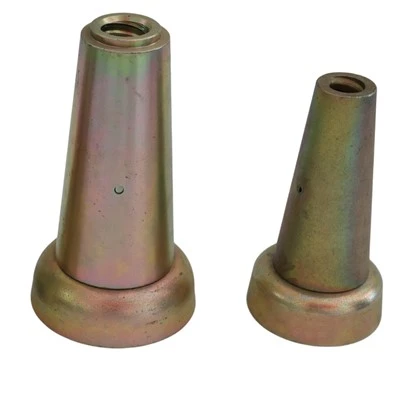
In conclusion, the chemical composition of Formwork Tekko Clips is a complex but crucial aspect that determines their performance, quality, and suitability for various applications. The combination of iron, carbon, and other alloying elements creates a material that can withstand the rigors of formwork construction. As a supplier, I am committed to providing high – quality Formwork Tekko Clips with a well – controlled chemical composition.
Ringlock Scaffolding If you are in the market for Formwork Tekko Clips and want to learn more about our products or discuss your specific requirements, I encourage you to reach out to me. I am more than happy to assist you in finding the right solution for your formwork needs.
References
- ASM Handbook Committee. (2004). ASM Handbook Volume 1: Properties and Selection: Irons, Steels, and High – Performance Alloys. ASM International.
- Degarmo, E. P., Black, J. T., & Kohser, R. A. (2003). Materials and Processes in Manufacturing. Wiley.
- Totten, G. E., & MacKenzie, D. O. (2003). Handbook of Industrial Engineering Equations, Formulas, and Calculations. CRC Press.
Rizhao Wellfit Scafform Co., Ltd.
Address: No. 7, Huasheng Road, Taoluo Town Industrial Zoon, Donggang District, Rizhao City
E-mail: sales@wfscafform.com
WebSite: https://www.wfscafform.com/
