When I first started working with graphite crucibles over 12 years ago, I thought their primary job was simple: hold molten metal, glass, or other materials through heat-intensive processes. But after thousands of conversations with foundry managers, glassblowers, and ceramic engineers, I learned the most misunderstood part of these tools is the additives we blend into the graphite during production. As a graphite crucible supplier, I don’t just sell a hunk of carbon— I sell a tool designed to solve specific, messy problems that come with high-temperature manufacturing. Let’s break down why those additives matter, how we use them, and what they do to make your operations run smoother. Graphite Crucible
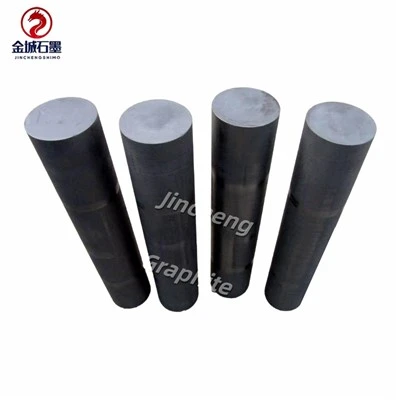
First, let’s ground this in what graphite crucibles are at their core. Pure graphite is great— it’s got an exceptional melting point (above 3600°C, way higher than most materials we process), it’s relatively chemically inert, and it conducts heat evenly. But pure graphite has flaws. It’s porous, so small amounts of air or contaminants can seep in during melts. It’s prone to oxidation at temperatures above 600°C, which means it can crumble or degrade fast when exposed to air. And it’s brittle enough that a sudden temperature shock— like tossing a cold crucible into a hot furnace— can crack it before you even load the raw material. That’s where additives come in, and every additive we choose is intentional, tested, and tailored to what our customers need their crucible to do.
Let’s start with the most common additive we use: silicon carbide, or SiC. I hear customers ask all the time, “Why is my crucible price higher than a raw graphite one?” The SiC we blend in isn’t a cheap filler— it’s a performance booster. Here’s what it does. First, it seals the porous graphite structure. Pure graphite has tiny gaps between its carbon particles; when we mix SiC into the graphite matrix during the isostatic pressing process, those gaps get filled. That means no more molten aluminum or brass seeping through the crucible walls during a sand casting run. For customers who work with reactive metals like magnesium, this is non-negotiable— a porous crucible would cause cross-contamination that ruins entire batches. Second, SiC drastically improves oxidation resistance. At temperatures above 800°C, SiC forms a thin, stable layer of silica (SiO₂) on the crucible’s surface when exposed to air. That layer acts like a shield, stopping oxygen from eating away at the underlying graphite. We’ve had a customer running copper melts at 1200°C tell us their SiC-enhanced crucible lasts three times longer than the pure graphite ones they were using before. That translates to fewer replacements, less downtime, and lower long-term costs— the kind of win I live for as a supplier, not just a sales pitch.
Next, boron nitride (BN). This is a tricky additive to get right, because too much or too little changes everything. Boron nitride is a lubricant, right? But in a crucible, it’s not there to make the metal slide— it’s there to prevent the crucible from bonding to the molten material. I remember a glassblower I worked with two years ago; they kept having their crucible fuse to the glass batch when they melted specialty borosilicate, which meant they had to break the crucible to get the glass out, wasting hundreds of dollars of material and a whole day of production. We adjusted our additive mix to add a small, controlled amount of hexagonal boron nitride to their custom crucibles. The result? The glass would slide right out once it was cool, no fusion, no broken crucible. BN also helps with thermal shock resistance. When a crucible is heated and cooled quickly, different parts expand and contract at different rates, causing cracks. The BN particles disperse stress through the graphite matrix, absorbing that expansion and contraction. For foundries that need to switch between melts and cool crucibles down between runs, that’s a huge reliability boost— no more unexpected cracks mid-shift. We do have to be careful with BN, though: it’s not ideal for processes where the molten material is alkaline, because it can react with those materials over time. That’s why every crucible we make is customized to the customer’s specific application, not a one-size-fits-all mix.
Then there are the rare earth additives, like lanthanum and cerium, which we use for super-high-temperature applications. Customers working with refractory metals like tungsten or molybdenum, which melt at over 2000°C, need crucibles that can handle extreme heat without degrading. Pure graphite starts to sublimate (turn directly from solid to gas) at around 3000°C, but when you’re working at 2500°C, even a small amount of sublimation can leave ash in your molten metal, ruining the purity of the final product. The rare earth elements we add act as grain refiners. They change the structure of the graphite crystals, making the material denser and more resistant to sublimation. We’ve also found that they reduce the amount of gas trapped in the graphite, which means fewer bubbles forming in the molten metal. For aerospace parts manufacturers, where metal purity is non-negotiable, this is a game-changer. I once visited a foundry that makes turbine blades for jet engines; their old crucibles left 0.5% more impurities in the metal, which meant they had to scrap 10% of their blades. Since switching to our rare earth-enhanced crucibles, their scrap rate dropped to 2%, saving them over $200,000 a year— that’s the kind of impact that makes all the test mixing and quality checks worth it.
Wait, let’s not forget about the functional additives that aren’t just for performance— but for safety. Aluminum oxide, or alumina, is another additive we use in high-volume metal casting crucibles. Alumina increases the hardness of the crucible, so it’s less likely to get scratched or damaged during handling. It also improves the crucible’s resistance to thermal cycling— being heated and cooled repeatedly without cracking. For small foundries that might not have a dedicated team to handle crucibles carefully, this is a huge help; a minor scratch can turn into a crack during a melt, causing a costly spill. We also add small amounts of titanium dioxide in some crucibles, specifically for glass melting applications. TiO₂ helps the crucible’s surface hold a thin layer of glass slurry, which acts as an extra barrier against the molten glass, preventing corrosion over time.
A lot of customers ask me why we don’t just use all these additives at once, to make the perfect crucible. The answer is simple: balance. Every additive changes the crucible’s properties in a way that might help one application and hurt another. For example, too much SiC makes the crucible more brittle, so it’s prone to cracking under thermal shock. Too much BN makes the crucible less able to hold up to highly corrosive molten materials. That’s why we work with each customer to audit their process: what temperature are they running? What material are they melting? How often do they heat and cool the crucible? How important is material purity? Once we have those answers, we can mix the right combination of additives to build a crucible that’s tailored just for them.
I want to be clear, too: additives don’t make a poor-quality graphite crucible good. The base graphite we use is premium, high-purity natural or synthetic graphite that’s been processed to remove impurities before we even add anything. The additives are enhancements, not band-aids. That’s a line I never cross as a supplier— I’d rather tell a customer a basic pure graphite crucible is all they need, than sell them an overpriced enhanced one that doesn’t solve their problem. Transparency is everything here; the best crucible is the one that fits your exact needs, not the one with the most additives.

Now, I’ve talked about what additives do, and how we choose them, but let’s circle back to why this matters for you, the person on the other end of this. If you’re a foundry manager dealing with constant crucible failure mid-melt, or a glassblower wasting material on fused crucibles, or a ceramics engineer fighting impurities in your final product— the additives in your graphite crucible are the quiet solution you might be overlooking. I’ve had customers come to me saying they thought they just had to accept that crucibles don’t last long, until we adjusted their additive mix and doubled their crucible lifespan. That’s the kind of difference small, deliberate additive choices make.
Automobile Aluminum Casting Graphite If you’ve been struggling with crucible performance— whether it’s frequent cracking, material seepage, contamination, or just too-short lifespans— I want to help. As a graphite crucible supplier with years of hands-on experience, I don’t push generic products; I work with you to find the right crucible, and the right additive mix, for your specific application. Let’s chat about your process, your challenges, and what you need your crucible to do. There’s no pressure, no sales pitch— just honest advice to help you run your operations smoother.
References
- Oprea, G., & Miculescu, M. (2018). Graphite Crucibles: Production, Properties, and Applications. Journal of Materials Processing Technology.
- Zhang, L., et al. (2020). Oxidation Resistance of Silicon Carbide-Modified Graphite for High-Temperature Applications. Carbon.
- Lee, S., & Park, J. (2019). Thermal Shock Resistance of Boron Nitride-Enhanced Graphite Crucibles for Molten Metal Processing. International Journal of Applied Ceramic Technology.
- Taylor, T. (2021). Rare Earth Additives in Refractory Graphite: Sublimation and Purity Control for Aerospace Alloys. Refractories Applications and News.
- Garcia, M., et al. (2017). Additive Effects on Porosity and Corrosion Resistance of Graphite Crucibles for Glass Melting. Journal of Non-Crystalline Solids.
Huixian Jincheng Abrasive Mold Factory
As one of the most professional graphite crucible manufacturers and suppliers in China, we have world-leading production equipment and strong manufacturing capabilities. Please rest assured to buy durable graphite crucible for sale here from our factory. Quality products and reasonable price are available.
Address: Mengzhuang Town, Huixian City, Henan Province
E-mail: graphite.jc@gmail.com
WebSite: https://www.graphite-jc.com/
