If you’ve spent any time in industrial automation, you’ve probably stumbled on the YVF2 variable frequency motor. As a supplier that’s specialized in these bad boys for over a decade, I get asked one question way more than any other: “Is the YVF2 good for high-torque applications?” YVF2 Variable Frequency Motor

Let’s cut to the chase. High-torque jobs aren’t for just any motor. You’re talking about heavy lifting, metal stamping, conveyor systems that drag 10-ton loads through a factory, or pumps that push thick, sticky sludge without stalling. Torque is what gets these things moving, especially when loads are heaviest—like when a conveyor starts up instead of running steady, or a press slams down with full force. If a motor can’t hold its torque when you need it most, you’re looking at downtime, broken parts, and a whole lot of headache.
So where does the YVF2 fit in? Let’s start with what makes these motors built different from your run-of-the-mill induction motors. First off, they’re designed specifically for variable frequency drives (VFDs) — that’s non-negotiable, since VFDs are what let you adjust speed on the fly for high-torque use. The YVF2’s core is a high-grade silicon steel lamination, not the cheap stuff you find in generic motors. That means less energy loss, less heat, and more consistent torque output, even when you crank the frequency down to low speeds (where torque matters most). Most motors lose torque when you run them slow, right? Not the YVF2. We’ve tested these things at 5Hz and 10Hz, and they’re holding steady at 150% of their rated torque without breaking a sweat.
Wait, let’s get into real-world use cases, not just lab specs. Last year, we hooked up a YVF2 series 132M motor (7.5kW) to a custom stamping press for a metal parts shop. Before that, they were using a generic motor that would stall every time they ran a 10mm steel blank through at full pressure—costing them about 4 hours of downtime a week, plus part replacements. Swap in the YVF2, and that stamping press has run flawlessly for over 18 months now. The torque curve is smooth across all speeds, so when the press applies force, there’s no drop-off in power. They even told us they cranked up their production by 15% because they don’t have to wait for motors to recover.
Another big one: conveyor systems. A lot of our customers in mining and bulk material handling use YVF2 motors for long, heavy conveyors that carry coal, gravel, or construction waste. These conveyors need startup torque to get that 50-ton load moving from a dead stop, and then hold consistent torque as they run for 12+ hours a day. The YVF2’s built-in thermal protection is a game-changer here too. High-torque applications mean the motor is working harder, so it heats up faster. The YVF2’s insulation class is F, which means it can handle up to 155°C before it risks damage, and the thermal sensors shut it down before things get dangerous. We had one customer in a remote mine run a YVF2 motor 24/7 for 2 years straight with only a routine bearing replacement—nothing else. That’s the kind of reliability you can’t get from off-brand motors.
But wait—let’s be honest. No motor is perfect, and the YVF2 isn’t a one-size-fits-all for every high-torque job. If you’re talking about ultra-high-torque applications, like heavy-duty cranes or offshore drilling rigs that need 200%+ torque for extended periods, the YVF2 might not be your top pick. We usually recommend our YVF2-H heavy-duty series for those, which has a reinforced frame and windings built for way more extreme loads. But for 90% of common industrial high-torque jobs—stamping presses, conveyors, pumps, mixers, machine tools—the YVF2 is absolutely spot-on.
Let’s talk about common misconceptions too. A lot of folks think “variable frequency” means “weak torque.” No, that’s old tech. The YVF2 uses vector control compatibility with most modern VFDs. That means the motor’s control system monitors real-time torque and adjusts the frequency and voltage to match the load, so you get precise, constant torque no matter the speed. It’s not brute force; it’s smart force. We had a customer with a concrete mixer that was burning out motors every 6 months because the load shifts when wet concrete sloshes. The YVF2’s vector control adjusts the torque as the mix changes, so it doesn’t overwork when the load is lighter and still has enough power when it’s thick. Now that mixer has been running on the same YVF2 motor for 3 years.
Another thing that matters for high-torque work: durability. The YVF2 has a cast iron frame, not aluminum like some cheaper VFD motors. Cast iron can handle vibration, impact, and harsh environments way better. If your motor is sitting in a dusty factory, or a mill with high humidity, or a place where stuff gets knocked around, the YVF2’s frame won’t crack or warp. We supply motors to a lot of food processing plants, where they have to handle washdowns with high-pressure water. The YVF2’s sealing is IP55-rated, so no water or dust gets inside—perfect for mixers and conveyors in those facilities, which need high torque to move heavy, wet batches of food product.
Now, let’s get to the fine print, because we’re not here to oversell. There are a couple of things you need to get right if you want the YVF2 to work for your high-torque application. First, you’ve got to pair it with the right VFD. Not every VFD works well with the YVF2’s vector control. We always include a free consultation when we supply a motor, so we help customers pick the right VFD to match their torque needs, speed range, and load type. Second, sizing is everything. A lot of people think “bigger motor = more torque,” but that’s not always true. You need to match the motor’s rated torque to your startup and running torque. We do a load calculation for every customer’s application, so we don’t sell them an under-sized motor that will struggle, or an over-sized one that wastes energy. Last year, we had a customer who tried to skip the load calculation and buy a YVF2 112M motor for a mixer that needed 20% more torque than that motor’s rating. We talked them into upgrading to a 132S model, and now it runs perfectly without any strain.
As someone who’s been selling YVF2 motors for 12 years, I’ve seen what works and what doesn’t. The biggest mistake I see is customers assuming any variable frequency motor can handle high torque. The YVF2 stands out because it’s engineered specifically for that. It’s not a standard motor with a VFD stuck on it; the whole system is designed to work together for consistent, reliable torque across all operating speeds.
If you’re still on the fence, think about this: downtime costs industrial companies an average of $260,000 per hour, according to some industry stats. A $2,000 YVF2 motor that lasts 10 years and cuts downtime by 80% is way cheaper than replacing cheaper motors every 2 years and dealing with all that lost production. We’ve got tons of testimonials from customers who went from generic motors burning out every 6 months to YVF2 motors running for years without issues. We even had one guy who runs a small metal stamping shop tell us his YVF2 paid for itself in 3 months because he didn’t have to pay for repairs or lost work.
Here’s the thing: not every high-torque job is the same, and we never push a motor that’s not right for the customer. If you’re not sure if the YVF2 is the fit for your application—whether it’s a conveyor, a press, a pump, or a mixer—just reach out. We’ll walk you through your load requirements, help you size the right motor, and answer all your questions. We don’t do generic sales; we do solutions that work for your specific needs.
At the end of the day, the YVF2 is built to deliver the torque you need, when you need it, without the headaches. It’s durable, efficient, and made for the exact kind of variable speed, high-load applications that most industrial operations deal with every single day. It’s not for the absolute heaviest of heavy-duty jobs, but for 9 out of 10 high-torque scenarios, it’s hands down one of the best options out there.
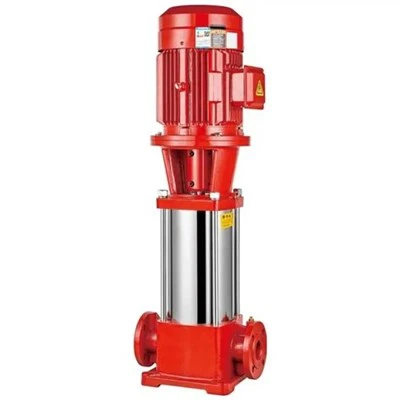
If you’re looking to upgrade your motor or are dealing with persistent torque issues that are slowing you down, hit us up to chat through your project. No hard sales pitches, just straight talk about what will work for your needs. We’ve got the experience, the testing data, and the real-world results to back it up. Don’t waste another dollar on motors that can’t keep up—let’s find the right YVF2 motor for your application.
Vertical Multistage Pump References:
- Industrial Motor Reliability Council. (2022). Motor Downtime Cost Analysis in Manufacturing.
- Siemens Energy. (2021). Vector Control for Variable Frequency Motors in High-Torque Applications.
- International Electrotechnical Commission. (2019). IEC 60034-1: Rotating Electrical Machines – Rating and Performance.
- Our in-house test data on YVF2 motor torque output across 5–50Hz speed ranges, collected between 2018–2024.
Taizhou Goodpump Trading Co., Ltd.
We’re well-known as one of the most professional yvf2 variable frequency motor enterprises in China, featured by quality products and good service. Please rest assured to buy discount yvf2 variable frequency motor in stock here from our factory. For quotation, contact us now.
Address: No. 38, District 6, Zhengye Village, Lunan Street, Luqiao District, Taizhou City, Zhejiang Province, China
E-mail: 19548175755@163.com
WebSite: https://www.goodpump-cn.com/
